MechaSmash
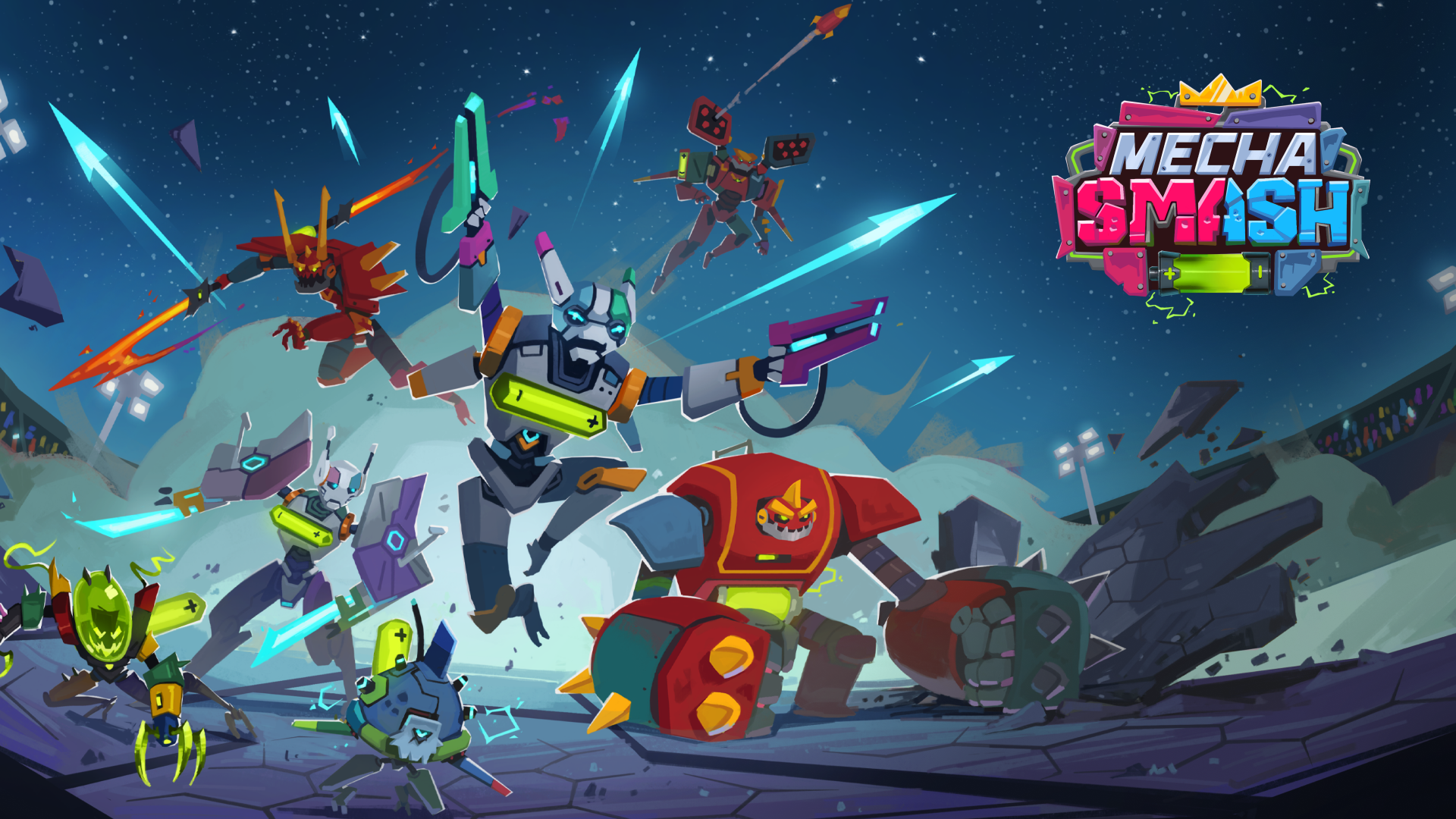
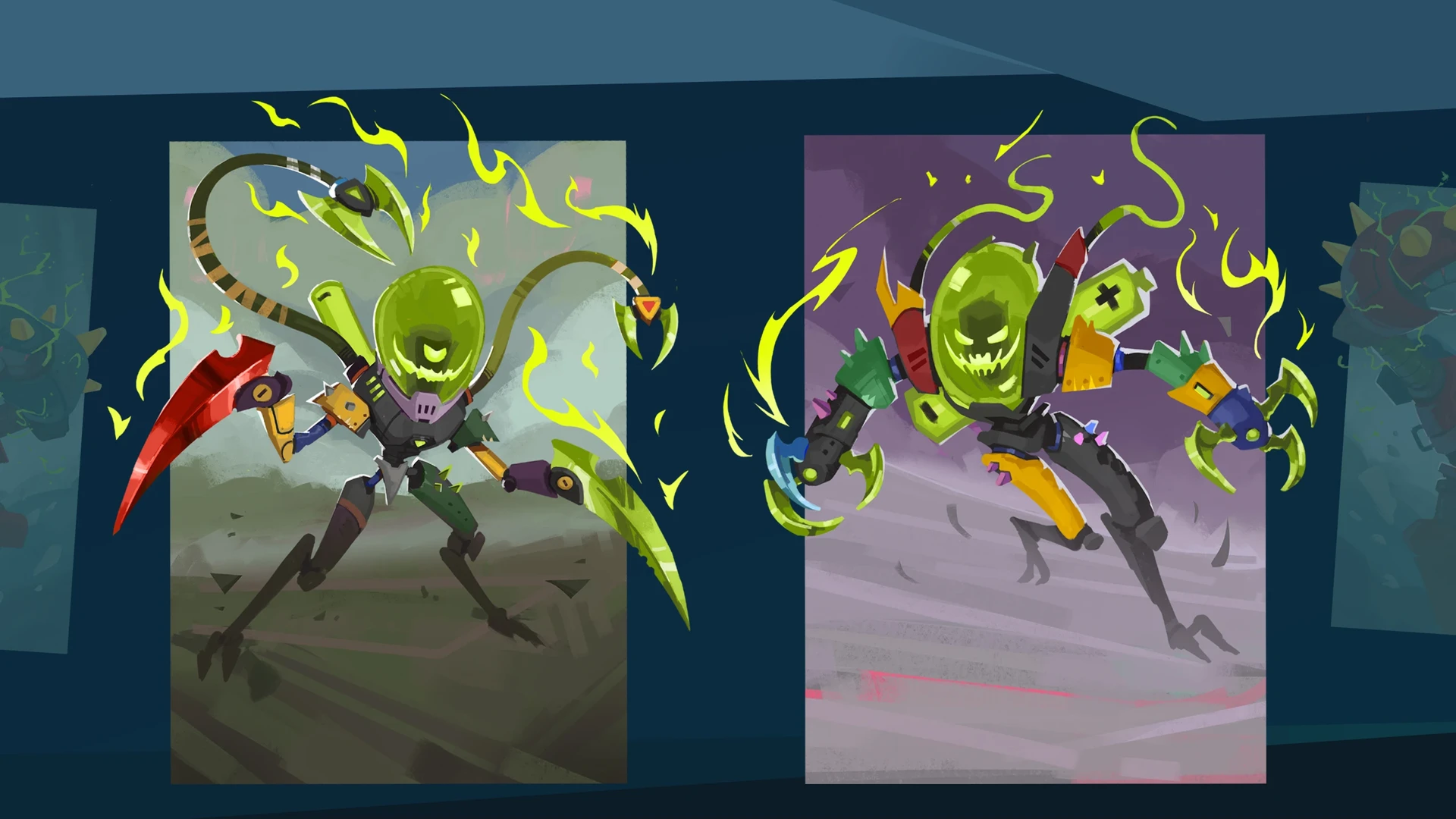
MechaSmash is a multiplayer card game where teams of robots battle in tournaments by consuming virtual batteries. To keep their robots operational, players must recycle real-life batteries, turning sustainable action into a necessary in-game resource.
The project was created by Centro di Coordinamento Nazionale Pile e Accumulatori (CDCNPA) as part of the “Energia in gioco” (‘Energy at play’) initiative, and is designed for workshops on active citizenship in primary and lower secondary schools.
Real-world recycling is verified via a mobile app using geolocation and image recognition, creating a direct bridge between environmental action and gameplay progression
The Challenge
The primary obstacle to battery recycling is passive hoarding: many people keep exhausted batteries at home for extended periods because they lack information on collection points or simply procrastinate. During moves or deep cleaning, these batteries are frequently disposed of in general waste, posing a significant environmental risk.
At the same time, educational approaches to sustainability often struggle to maintain authentic engagement among young people, risking being perceived as disconnected from their recreational experiences.
The project’s challenge was to transform recycling from an occasional event into a habitual, intrinsically motivated practice. This was achieved by organically integrating the educational message into the gameplay mechanics, ensuring it never interrupts the game’s pacing
Our Solution
The solution is a roguelike deckbuilder card game where gameplay progression depends directly on real-world sustainability actions. MechaSmash positions recycling as a structural gameplay element, rather than an external metaphor.
The project operates simultaneously on three levels of behavioral intervention (COM-B model):
Capability: Players gain awareness of batteries and the circular economy by answering quizzes integrated into the tactical tournament preparation phase, transforming learning into a strategic element.
Motivation: The reward system is calibrated for frequent micro-deposits (individual batteries generate individual rewards) to build habit and intrinsic motivation, preventing occasional hoarding.
Opportunity: The Recharge app provides a geolocated map of collection bins, significantly removing the logistical barriers to disposal.
The game design communicates sustainability through intrinsic mechanics: finite resource management, recycling and repair cycles as a strategic necessity, and the concrete consequences of procrastination. These elements emerge naturally from the gameplay experience rather than from external narrative devices
Impact
MechaSmash establishes a reproducible methodological precedent for partnerships between the gaming sector, formal education, and regional sustainability goals.
By integrating validation technologies (geolocation and image recognition), behavioral science, and contemporary game design, it allows for the direct tracking of impacts on waste separation. Ultimately, the project serves as a documented case study for the gamification of environmental sustainability.
Gameplay
MechaSmash is structured as an asynchronous roguelike deckbuilder. Each Tournament (6 matches) alternates between preparation phases (Workshop) and combat (Arena).
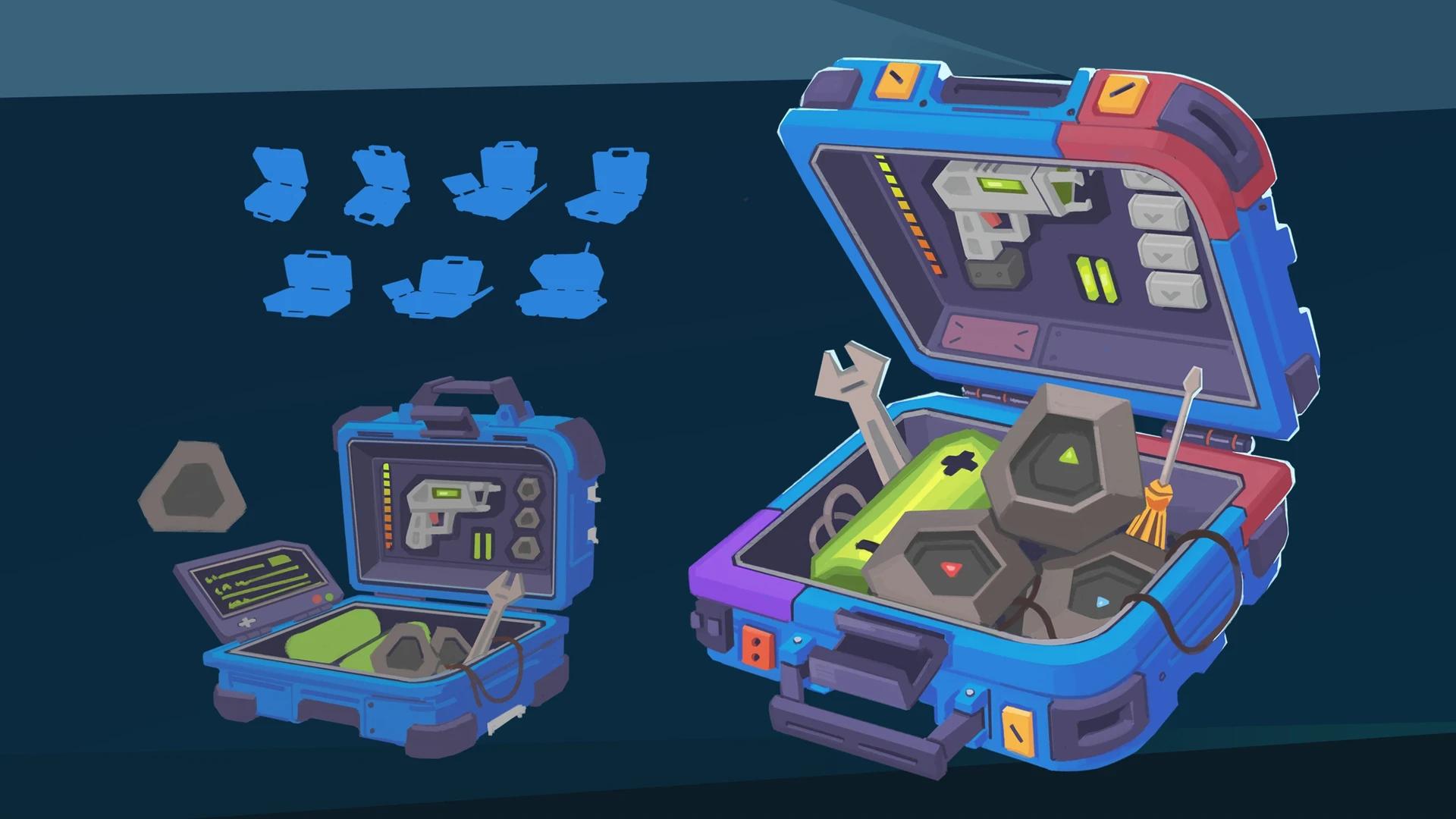
In the Workshop, players manage circular economy operations: recycling robots to generate Materials, crafting new robots from Blueprints, repairing damaged units, and installing upgrade Modules. From here, they can also access the Research Lab to answer themed quizzes, unlocking tactical advantages for the Arena.
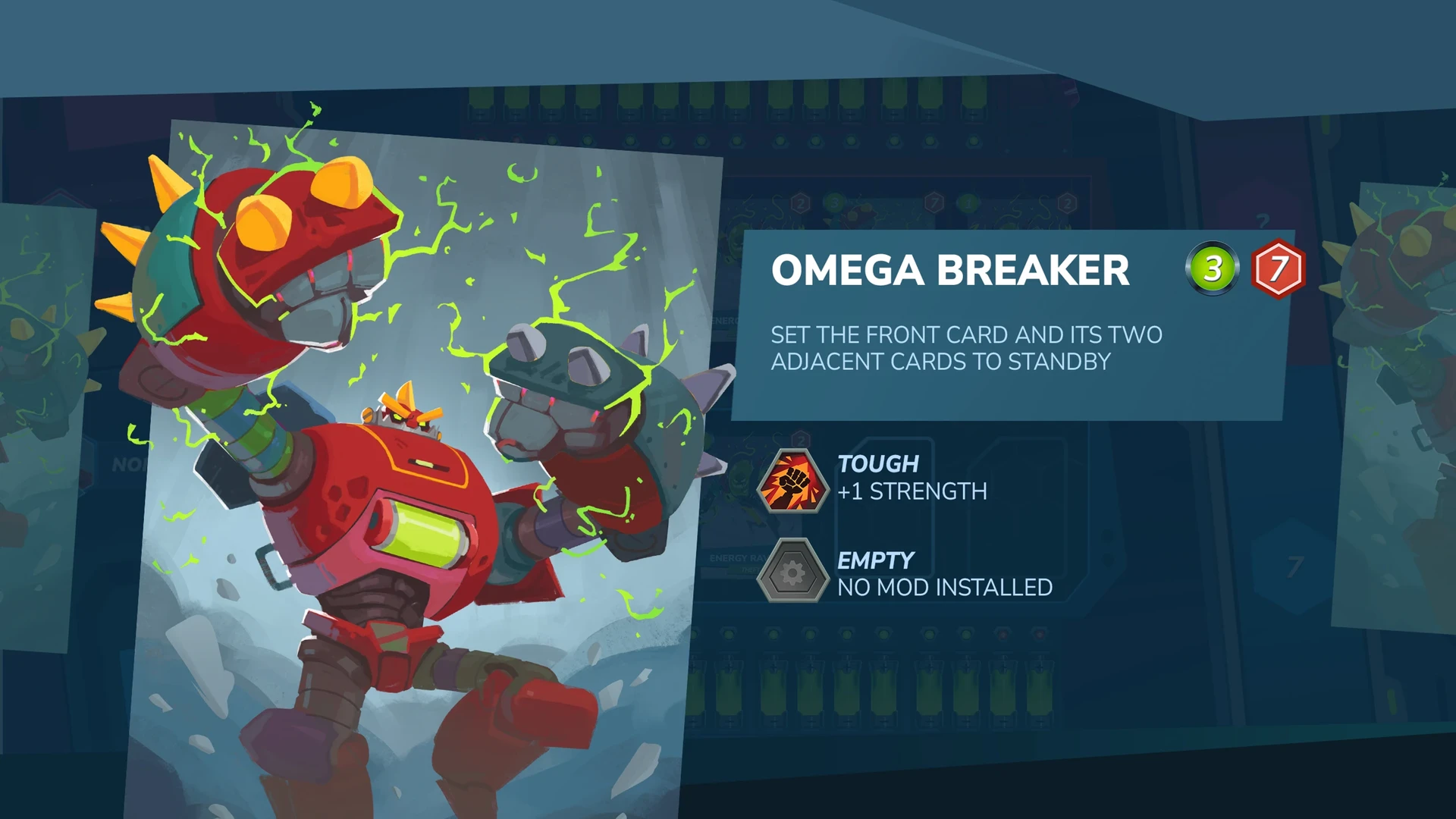
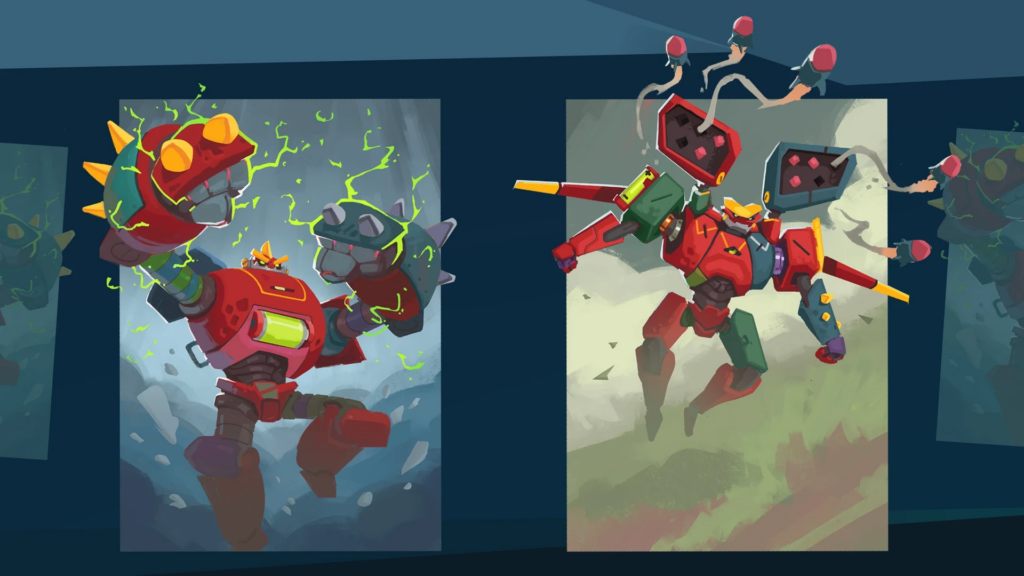
In the Arena, players deploy their robots to face off against other players’ decks. Each robot has three main attributes: Energy Consumption (Batteries required for deployment), Power, and a Special Effect.
If the total Consumption of a player’s robots exceeds their available Batteries, the squad enters a Blackout: all robots deactivate and lose Power. However, some robots possess special effects that trigger specifically from this state, transforming a penalty into a tactical resource. The player with the highest total Power wins.
By winning all 6 rounds, accumulated Materials are converted into Fame: a permanent score that determines the player’s Rank (Rust, Bronze, Silver, Gold, Plasma) and their position on the global Leaderboard.